
The Psychology of Scent and How It Shapes Brand Memory
Why We Remember Smells More Than Sounds or Sights
Think about this: you can probably still recall the smell of your childhood classroom, a favourite café, or even your first new car, yet you’d struggle to picture every detail of those scenes.
That’s because scent doesn’t just accompany memory; it creates it.
In neuroscience, this is known as the “Proust effect,” where odours evoke vivid emotional recollections.
Scent travels directly to the limbic system, the part of the brain responsible for emotion, mood, and long-term memory.
This bypasses the rational filters that process visuals or sounds, making scent the most emotionally potent sense we possess.
For brands, that means every fragrance diffused into a space can quietly become part of their customer’s long-term emotional memory.
How the Brain Translates Scent Into Emotion
Unlike sight or sound, which require interpretation, scent creates instant associations.
A gentle citrus note might evoke cleanliness and focus, while a trace of vanilla brings warmth and comfort.
The human brain processes smell and emotion in the same region, which is why the link feels almost instinctive.
Marketers call this implicit emotional encoding, which is the process by which a sensory cue becomes subconsciously tied to a feeling.
Once that connection is made, revisiting the same scent triggers the same emotion, even years later.
In retail or hospitality environments, this effect can turn a first visit into a lasting memory, one that customers can literally “smell again” the next time they return.
Scent as the Most Human Form of Branding
Visual branding such as colours, fonts, logos creates recognition.
Scent branding creates affection.
When a space smells consistent, familiar, and pleasant, it signals care and professionalism.
When it changes or feels off-balance, people instinctively sense something’s wrong, even if they can’t articulate why.
That’s why major luxury hotels, automotive brands, and wellness centres invest in custom scent profiles designed not to impress, but to reassure.
It’s the silent handshake between the brand and its visitor: “You’re in the right place.”
A guest walking into a softly scented lobby, or a customer revisiting a familiar showroom aroma, experiences emotional continuity, a crucial factor in brand loyalty.
How Engel’s Sense Creates Memory Through Design
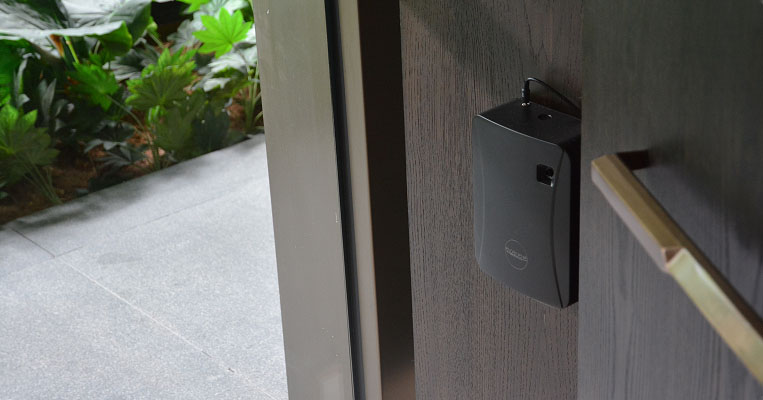
At Engel’s Sense, every project begins with understanding emotion.
We start not by asking what scent you like, but what feeling you want to leave behind.
A minimalist showroom might need a crisp, sophisticated scent to highlight precision.
A wellness studio may lean towards calming florals to encourage mindfulness.
A luxury boutique, on the other hand, might prefer rich woods and vanilla for a sense of intimacy.
Our team uses this emotional brief to design scent experiences that evolve subtly through a space, from entrances that energise to interiors that soothe.
Regular calibration ensures consistency, because scent memory only forms when the experience is stable over time.
It’s a process that blends science, psychology, and brand storytelling into one invisible design element.
Ready to reimagine how your space feels? Enquire with us today and discover how scent can elevate every experience.